The 10 Best Website Builders for Small Businesses in 2026
The 10 Best Website Builders for Small Businesses in 2026

A professional website is one of the most valuable investments a small business can make.
Whether you’re running a consulting business, agency, local service company, startup, or online brand, your website serves as your digital storefront. It helps customers discover your business, builds trust, generates leads, and can even automate sales.
Fortunately, you no longer need to hire a web developer or learn how to code. Modern website builders allow anyone to create fast, responsive, and SEO-friendly websites in just a few hours.
In this guide, we’ll compare the best website builders for small businesses in 2026 to help you choose the right platform for your needs.
Quick Overview
Best For: Business websites, portfolios, landing pages, blogs, and client portals
Ideal Users: Entrepreneurs, freelancers, agencies, startups, consultants, and small businesses
Pricing: Free plans and paid plans available
Best Overall: Webflow
Watch the Full Video Review
[Embed YouTube Video Here]
How We Chose These Website Builders
We evaluated every platform using the following criteria:
Ease of use
Design flexibility
SEO capabilities
Performance
Mobile responsiveness
AI features
Templates
Pricing
Scalability
Overall value
1. Webflow
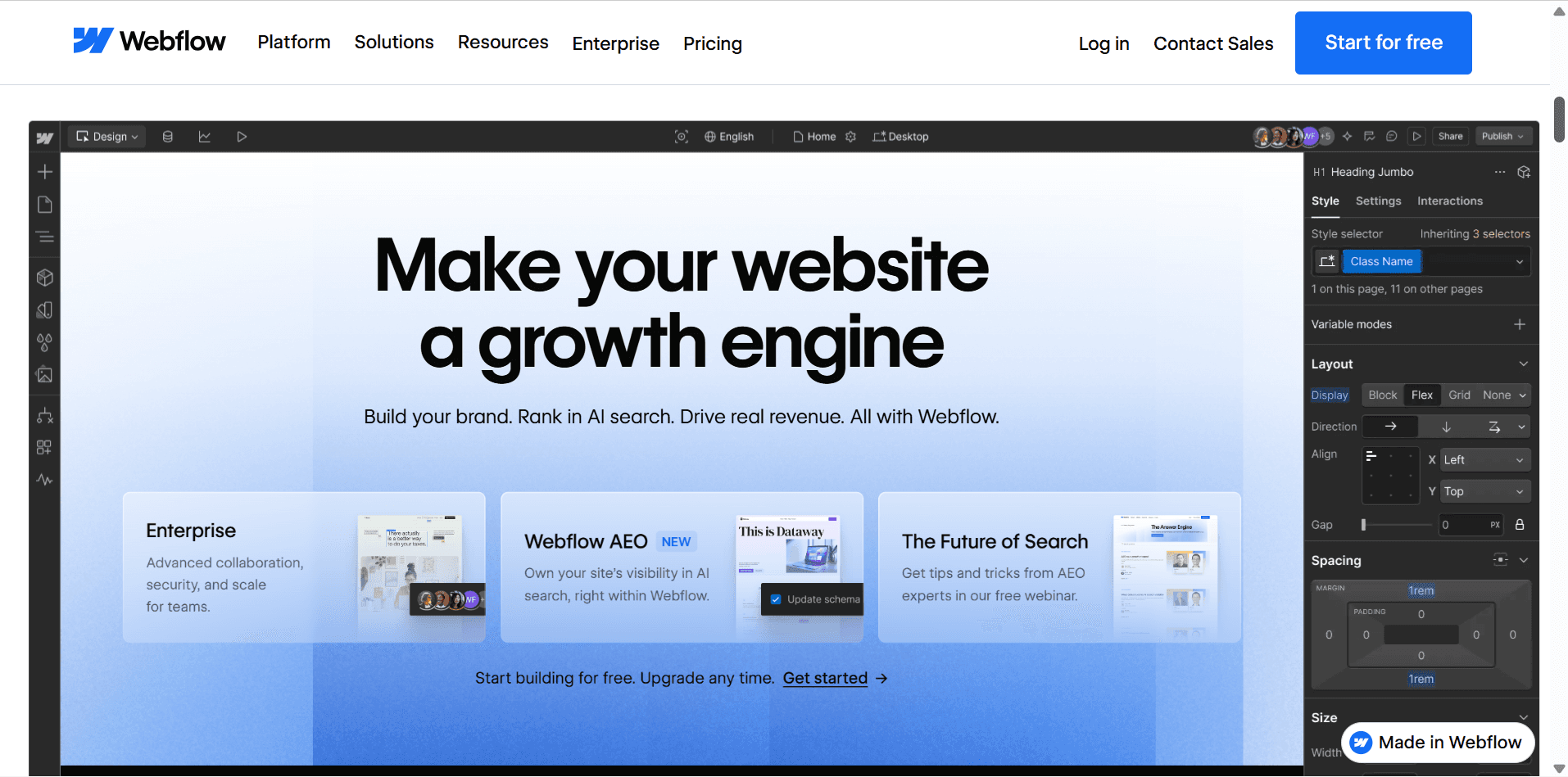
Best Overall Website Builder
Webflow remains the best all-around website builder for businesses that want complete creative control without sacrificing performance.
It combines professional design tools with powerful SEO features, a built-in CMS, reliable hosting, and excellent scalability.
Whether you’re creating a company website, blog, portfolio, or landing page, Webflow provides nearly everything you need.
Key Features
Visual website designer
Built-in CMS
Responsive design
Advanced animations
SEO optimization
Ecommerce support
Team collaboration
Fast hosting
Pros
Outstanding design flexibility
Excellent SEO tools
Fast-loading websites
Highly scalable
Cons
Learning curve for beginners
More advanced than simple drag-and-drop builders
Best For
Businesses that want a professional, scalable website.
2. Wix
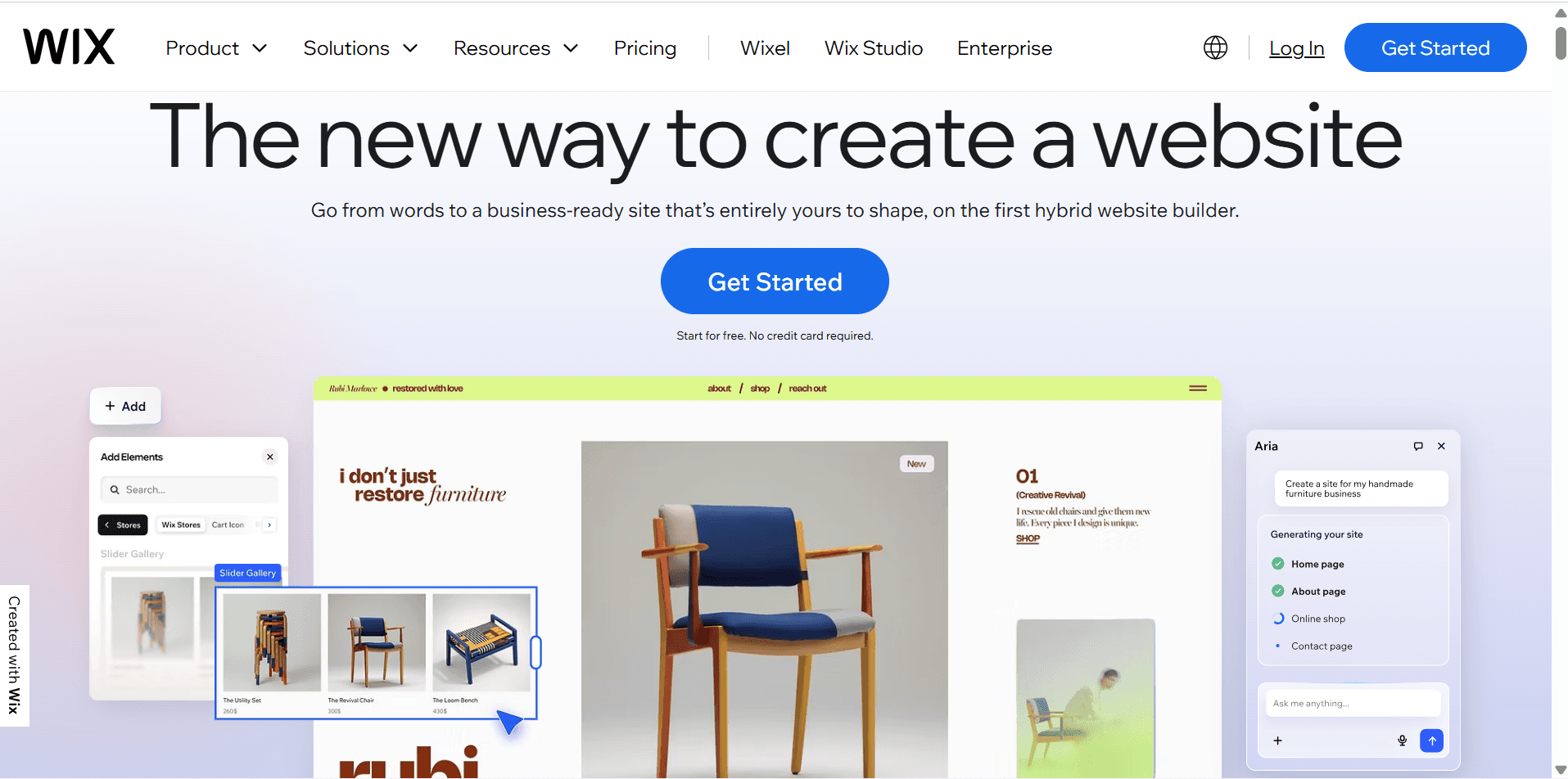
Best for Beginners
Wix continues to be one of the easiest website builders available.
Its drag-and-drop editor, AI website generator, and large collection of templates make it ideal for business owners with little or no technical experience.
Key Features
AI website builder
Hundreds of templates
Ecommerce
Blogging
Booking system
Marketing tools
SEO Wizard
Pros
Extremely easy to use
Quick website setup
Excellent template library
Affordable plans
Cons
Less customization than Webflow
Limited flexibility for advanced users
Best For
Business owners building their first website.
3. Framer
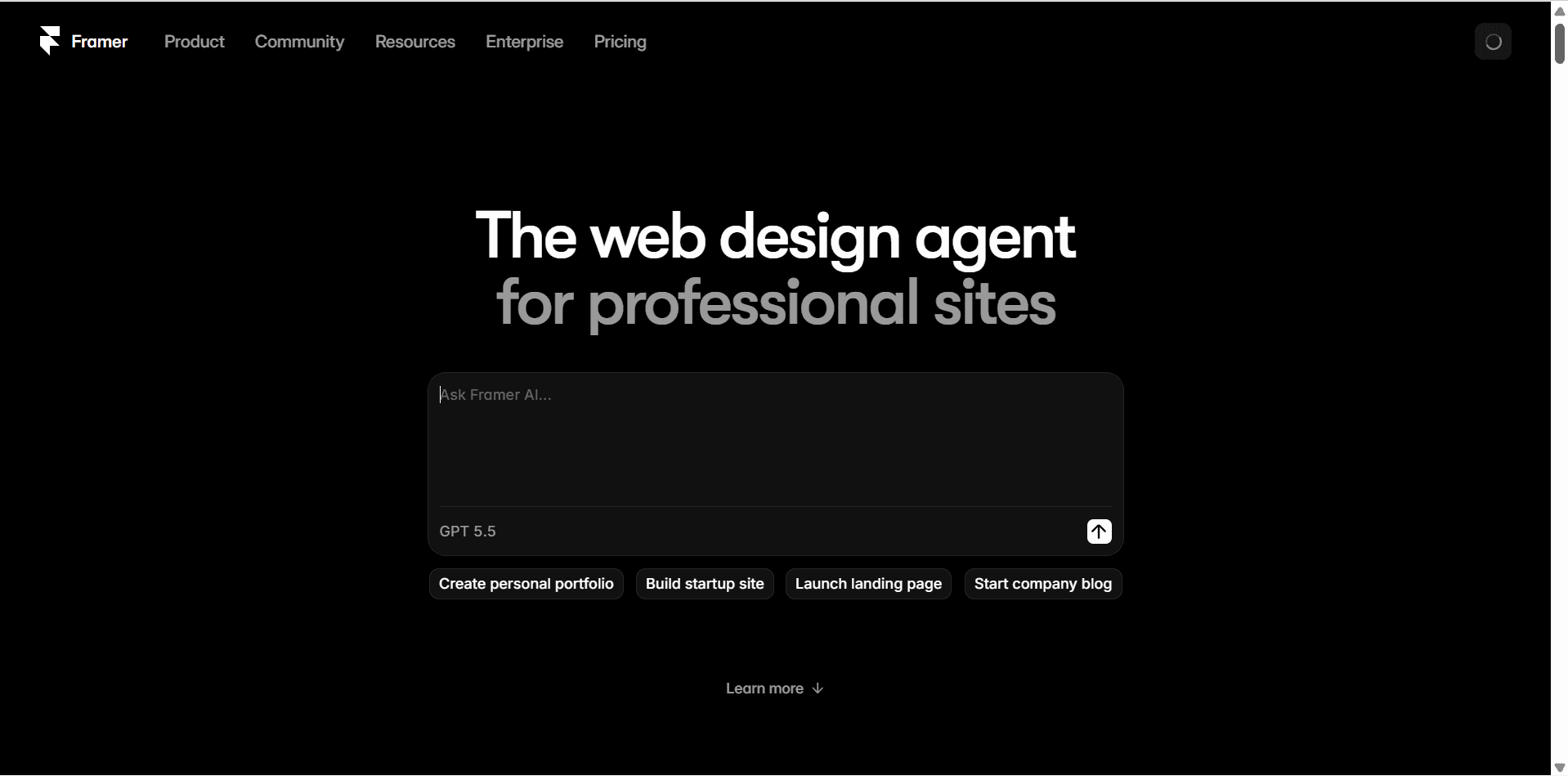
Best for Startups & Landing Pages
Framer has become a favorite among startups thanks to its modern design system, responsive layouts, and smooth animations.
It’s particularly well suited for SaaS businesses that need high-converting marketing websites.
Key Features
AI website generation
Interactive animations
Responsive layouts
CMS
Team collaboration
Pros
Beautiful modern designs
Fast publishing
Excellent performance
Cons
Limited ecommerce features
Smaller app ecosystem
Best For
Startups, SaaS companies, and landing pages.
4. Bubble

Best No-Code App Builder
Bubble isn’t just a website builder.
It’s a complete no-code development platform capable of building marketplaces, SaaS products, internal tools, CRM systems, and customer portals.
Key Features
Visual workflows
Database management
User authentication
API integrations
Plugin marketplace
Pros
Extremely powerful
Fully customizable
Build complete web applications
Cons
Steeper learning curve
Overkill for simple websites
Best For
Founders building web applications or SaaS products.
5. WordPress.com
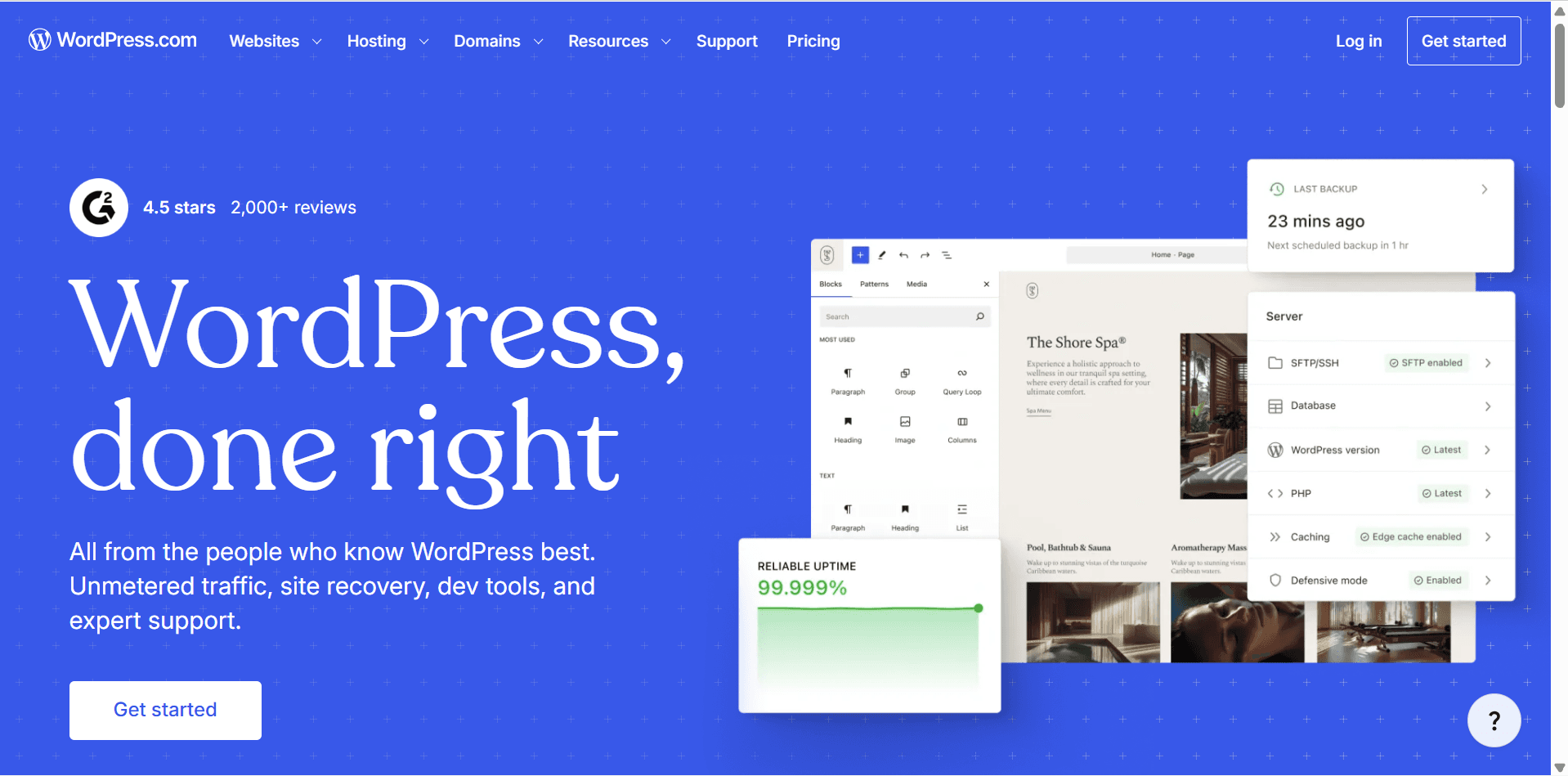
Best for Content Websites
If your marketing strategy revolves around blogging and SEO, WordPress.com remains one of the strongest options available.
It combines easy publishing with built-in hosting and excellent content management.
Key Features
Blogging platform
Themes
SEO tools
Analytics
Membership options
Pros
Industry-leading blogging tools
Strong SEO capabilities
Easy publishing
Cons
Some advanced features require higher-tier plans
Best For
Content creators, bloggers, and publishers.
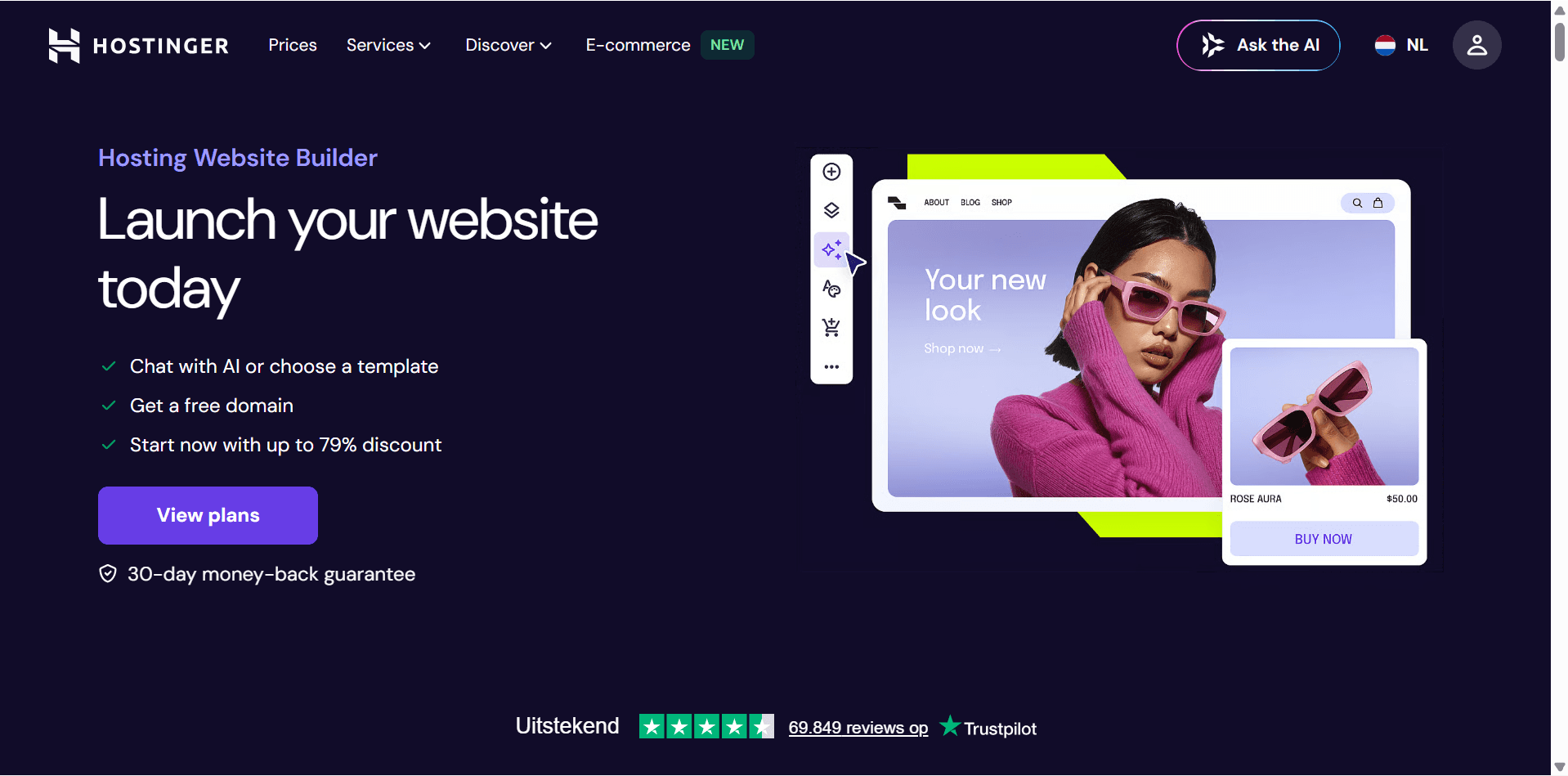
6. Hostinger Website Builder
Best Budget Website Builder
Hostinger Website Builder offers excellent value for entrepreneurs looking to launch a website without spending a fortune.
It includes AI tools, hosting, templates, and ecommerce support at an affordable price.
Key Features
AI website builder
Drag-and-drop editor
Ecommerce
Blogging
Logo generator
AI writing tools
Pros
Affordable pricing
Beginner-friendly
Fast setup
Cons
Limited advanced customization
Best For
Budget-conscious entrepreneurs and small businesses.
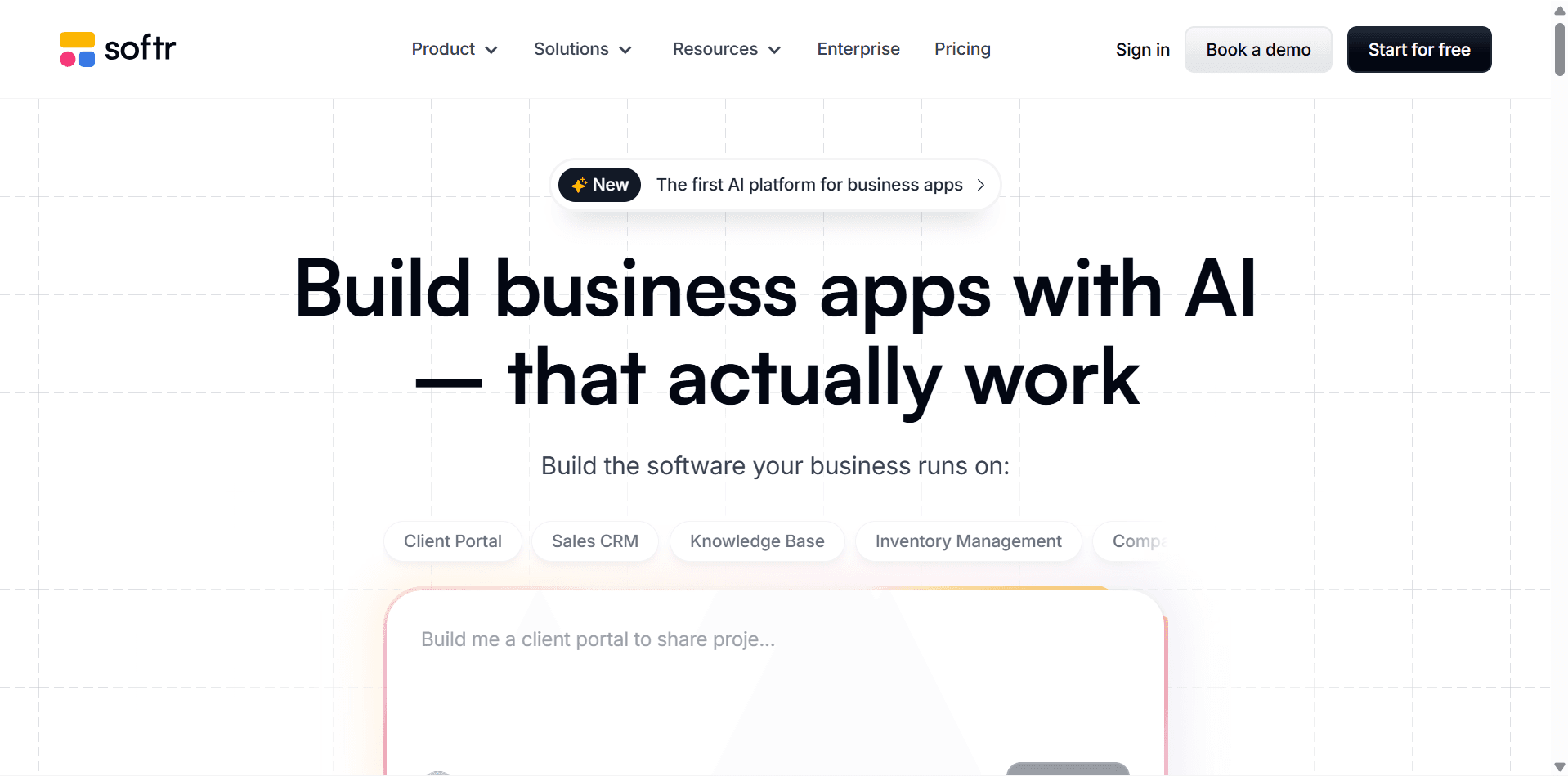
7. Softr
Best for Client Portals & Internal Tools
Softr focuses on helping businesses create internal systems without writing code.
You can build customer portals, employee dashboards, directories, CRMs, and membership websites using existing data sources.
Key Features
Client portals
Directories
Membership sites
Airtable integration
Google Sheets integration
Pros
Easy to use
Fast deployment
Excellent templates
Cons
Not ideal for advanced marketing websites
Best For
Consultants, agencies, and businesses managing clients online.
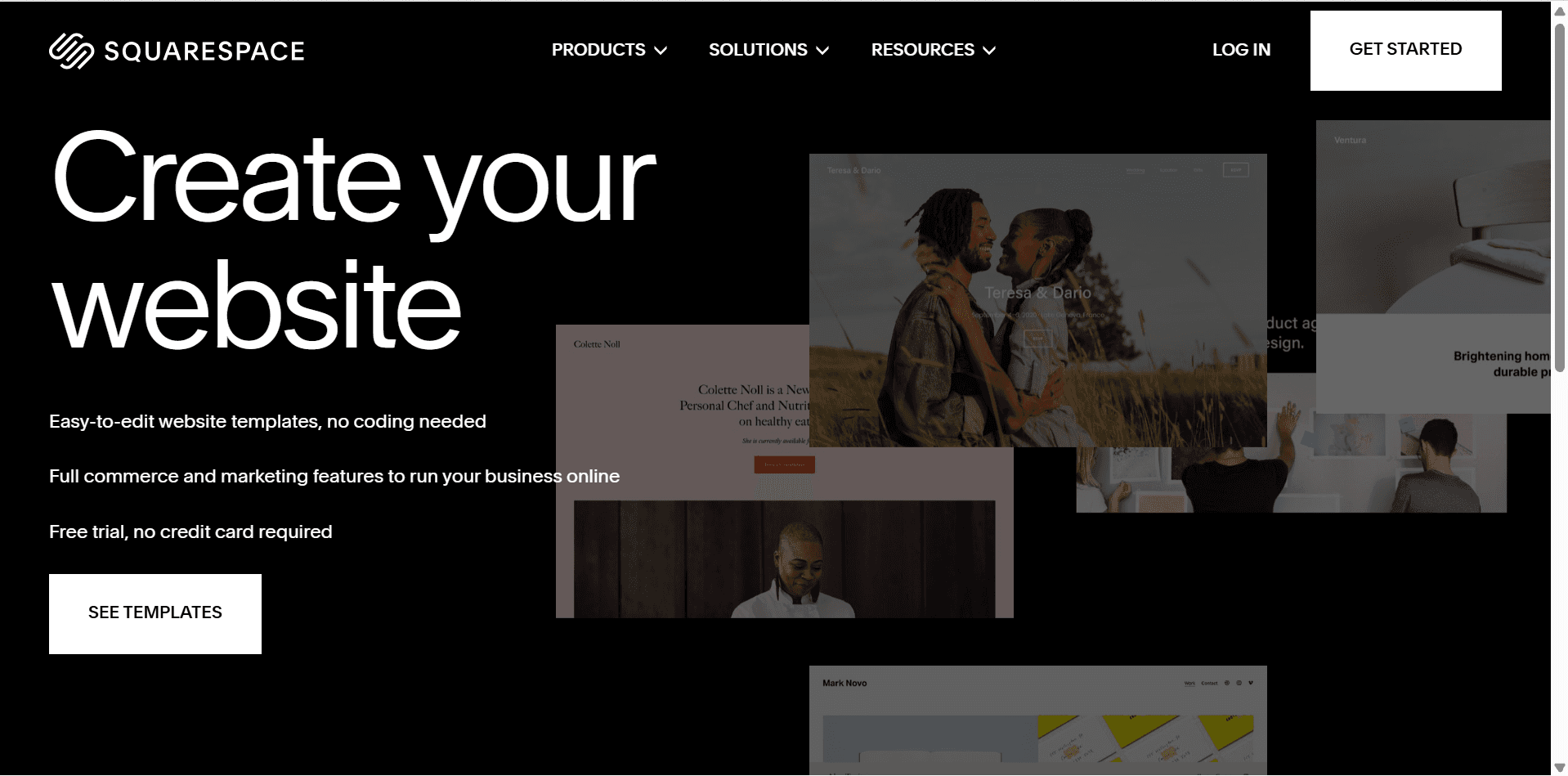
8. Squarespace
Best for Creatives
Squarespace remains one of the best platforms for visually appealing websites.
Its premium templates are ideal for photographers, designers, artists, restaurants, and creative professionals.
Key Features
Beautiful templates
Blogging
Portfolio pages
Ecommerce
Scheduling
Marketing tools
Pros
Excellent design quality
Easy editing
Good SEO tools
Cons
Less customizable than Webflow
Best For
Creative professionals and personal brands.
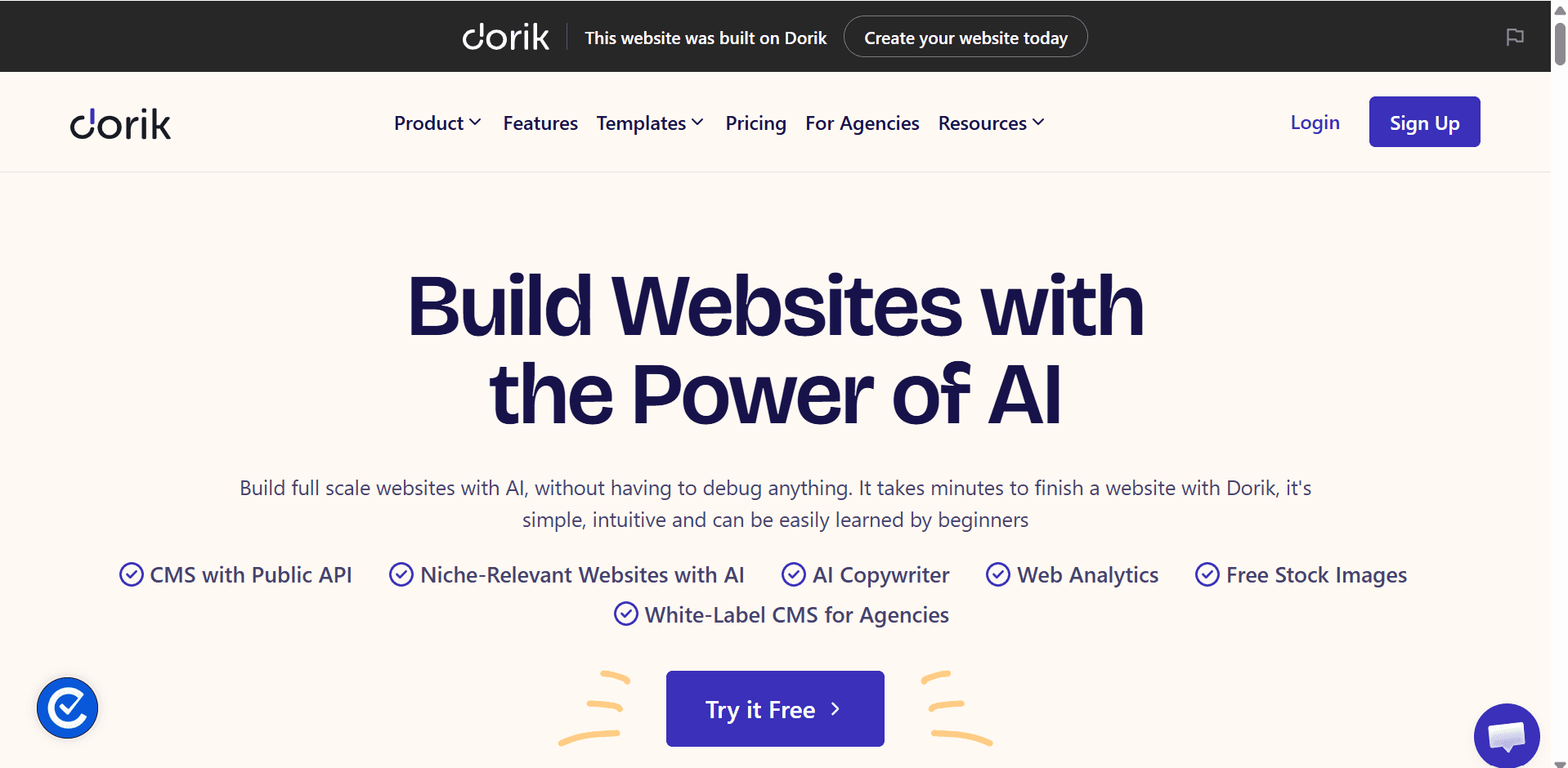
9. Dorik
Best Affordable Website Builder
Dorik is a fast-growing no-code website builder that offers an excellent balance between simplicity and flexibility.
It provides modern templates, blogging capabilities, CMS functionality, and affordable pricing.
Key Features
Drag-and-drop editor
CMS
Blogging
Templates
Membership support
Pros
Affordable
Easy to learn
Fast performance
Cons
Smaller ecosystem than larger competitors
Best For
Freelancers, agencies, and local businesses.
10. Tilda
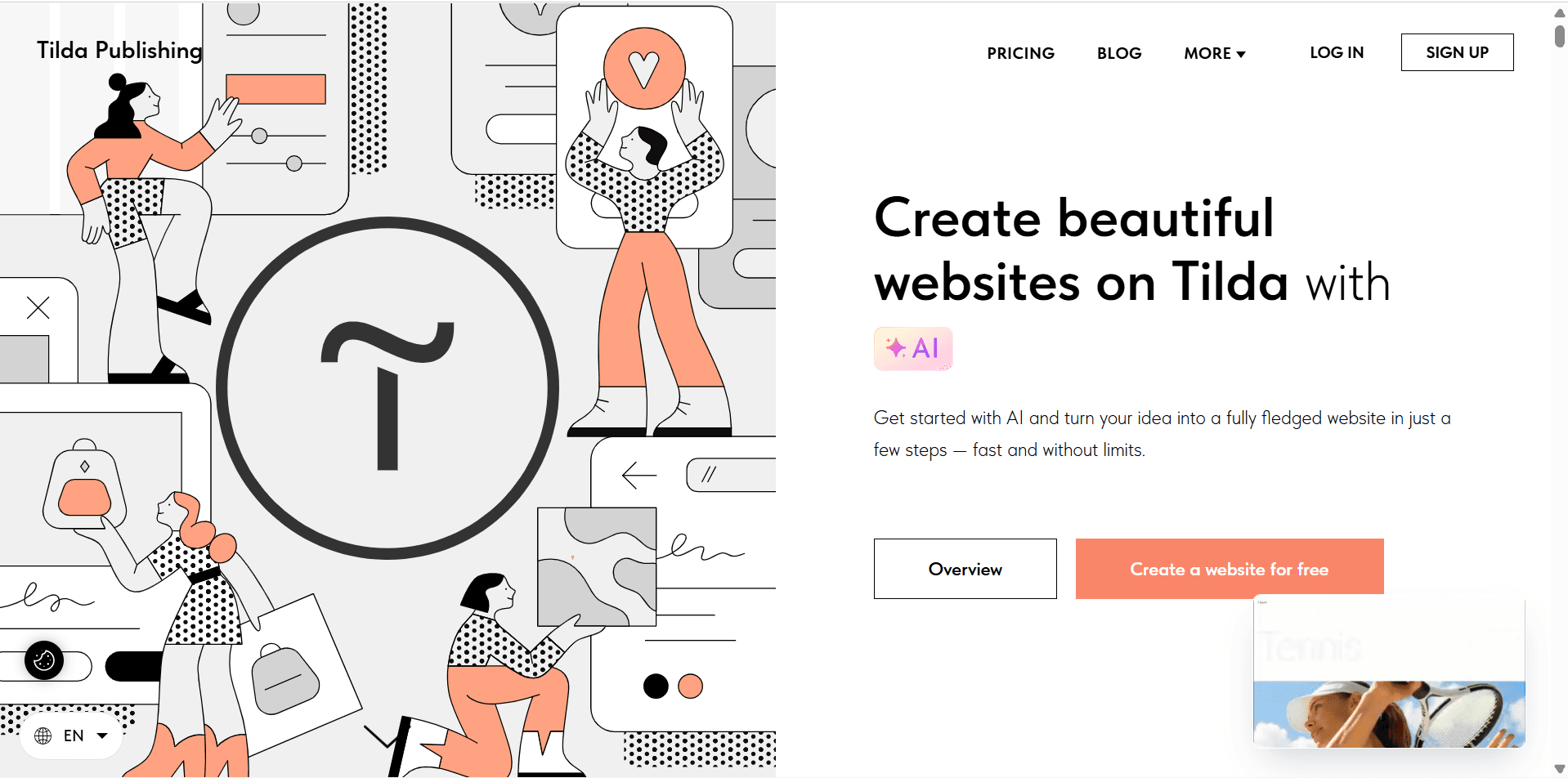
Best for Landing Pages & Visual Storytelling
Tilda is well known for its beautiful typography and block-based design system.
It excels at creating visually engaging websites, landing pages, online magazines, and product showcases.
Key Features
Block editor
Landing pages
Ecommerce
Zero Block visual editor
Animations
Pros
Beautiful layouts
Great typography
Easy editing
Excellent for storytelling
Cons
Smaller integration ecosystem
Limited third-party extensions
Best For
Marketing websites, portfolios, landing pages, and creative businesses.
Comparison Table
Platform | Best For | Beginner Friendly | SEO | AI Features | Free Plan |
|---|---|---|---|---|---|
Webflow | Professional Websites | Medium | Excellent | Yes | Yes |
Wix | Beginners | Excellent | Excellent | Yes | Yes |
Framer | Startups & Landing Pages | Excellent | Excellent | Yes | Yes |
Bubble | No-Code Apps | Medium | Good | Limited | Yes |
WordPress.com | Content Websites | Excellent | Excellent | No | Yes |
Hostinger Website Builder | Budget Websites | Excellent | Good | Yes | Trial |
Softr | Client Portals | Excellent | Good | Limited | Yes |
Squarespace | Creative Websites | Excellent | Very Good | Yes | Trial |
Dorik | Affordable Websites | Excellent | Good | Limited | Yes |
Tilda | Landing Pages | Excellent | Good | Limited | Yes |
How to Choose the Right Website Builder
Choose Webflow if you want maximum design flexibility and long-term scalability.
Choose Wix if you’re building your first website and want an easy-to-use platform.
Choose Framer if you’re launching a startup or creating high-converting landing pages.
Choose Bubble if you’re building a SaaS product or web application.
Choose WordPress.com if your strategy focuses on blogging and SEO.
Choose Hostinger Website Builder if affordability is your top priority.
Choose Softr if you need client portals or internal business tools.
Choose Squarespace if design and branding are your biggest priorities.
Choose Dorik if you want an affordable no-code builder for a business website.
Choose Tilda if you’re creating visually rich landing pages or storytelling websites.
Pros and Cons of Website Builders
Pros
No coding required
Faster website development
Built-in hosting
Mobile-responsive templates
SEO tools included
Lower cost than hiring developers
Easy maintenance
Cons
Premium features often require paid plans
Some platforms have limited customization
Switching platforms later can be challenging
Final Verdict
The best website builder depends on your goals, experience level, and the type of website you want to create.
If you’re looking for the best all-around platform, Webflow remains the top choice in 2026. It delivers professional design tools, excellent SEO capabilities, and room to grow as your business expands.
For beginners, Wix offers the easiest path to launching a polished website, while Framer excels at creating modern startup sites and landing pages. If you’re building a web application instead of a traditional website, Bubble stands out as the leading no-code platform.
No matter your business or skill level, one of these website builders can help you establish a professional online presence and grow your brand in 2026.
Frequently Asked Questions
Related Articles
Webflow Review
Wix Review
Framer Review
Bubble Review
Best No-Code App Builders in 2026
Best Landing Page Builders in 2026
Webflow vs Framer
Wix vs Webflow
Create a No-Code Business Automation System
The Best AI Tools for Entrepreneurs in 2026


